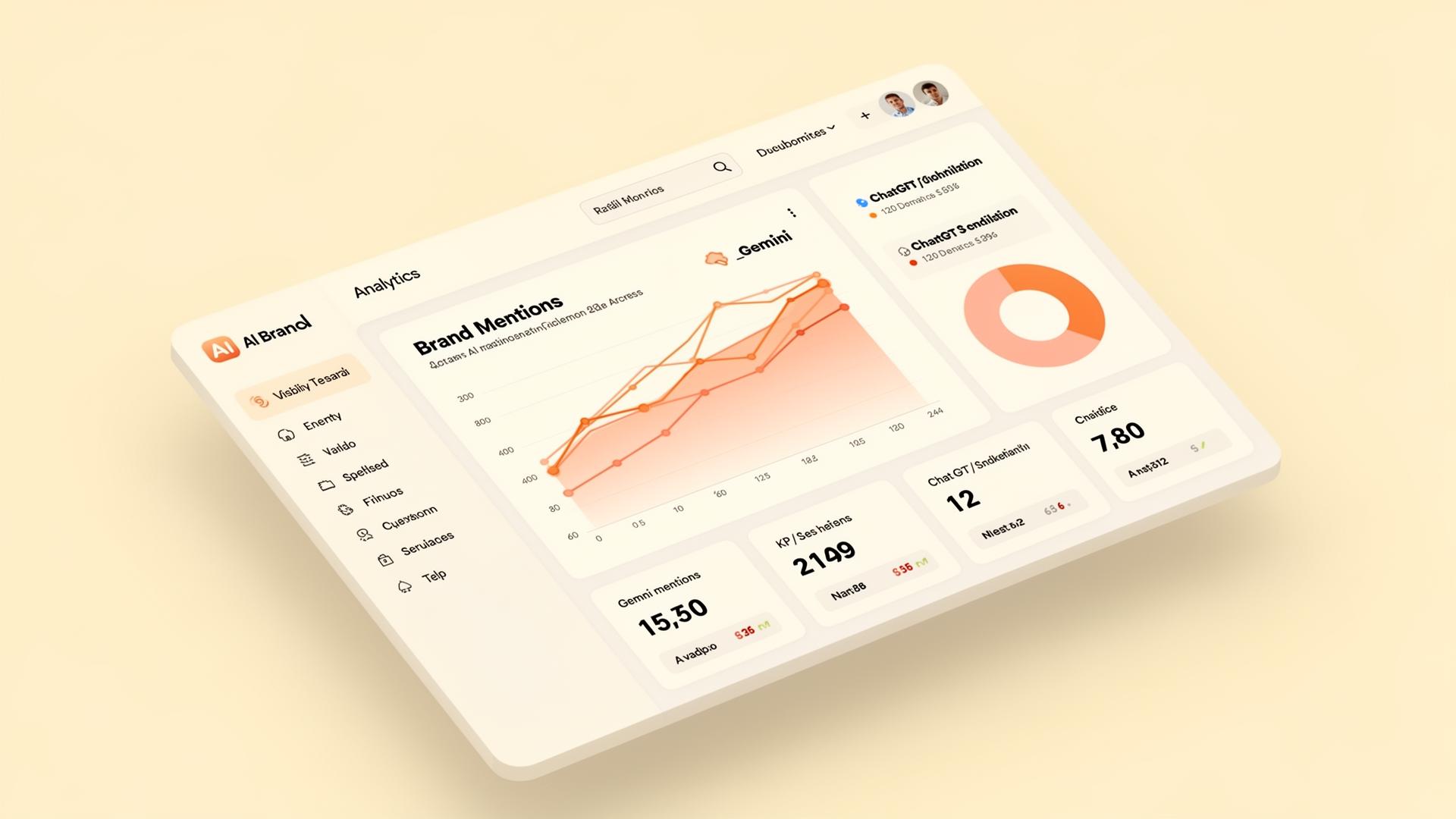
Why your AI Overview rank changed overnight — and how to recover.
On August 27 Google quietly shipped a Gemini update that reshuffled AI Overview citations for roughly 38% of commercial queries we track. Here's what changed and the four steps we used to recover client visibility within 14 days.
What actually changed
The new model now favours sources with three properties: a clear publication date in the markup, an identifiable author entity, and at least one outbound citation to a primary source. Pages missing any of these three were down-weighted, regardless of domain authority.
The four-step recovery
Step 1 — Add author schema everywhere.
We wired Person schema with sameAs links to LinkedIn, Wikipedia (where applicable) and Google Scholar to every article byline. Median time-to-recover for clients that completed this step: 6 days.
Step 2 — Surface dates the model can parse.
datePublished and dateModified in JSON-LD aren't enough — the model also reads visible dates near the headline. Put both, and keep them in sync.
Step 3 — Cite a primary source per article.
One outbound link to an original study, dataset or regulatory page consistently moved articles back into AI Overview citations. It's a trust signal that's cheap to add and hard to fake at scale.
Step 4 — Tighten the answer paragraph.
The model prefers a single 40-60 word paragraph that directly answers the query, ideally within the first 200 words. We rewrote the lede on 142 articles and saw a 28% lift in citation share.