The GEO guide
Generative Engine Optimization, explained.
Search is shifting from links to answers. This is a practical guide for marketing teams who want to be the brand AI assistants recommend.
01 — Definition
What is GEO?
Generative Engine Optimization is the discipline of earning a brand's place inside AI-generated answers — on ChatGPT, Claude, Perplexity, Gemini, Copilot and the next dozen assistants people will use every day.
Where SEO targets a list of ten blue links, GEO targets a single synthesized recommendation. The economics are different. The signals are different. The winners are different.
of B2B buyers now ask an AI assistant before shortlisting
brands typically named in a single AI recommendation
clicks required for an AI answer to win the deal
02 — Mechanics
How AI assistants choose which brands to name.
Every recommendation moves through the same four-stage pipeline. Understand it, and you can engineer presence at each stage.
Retrieve
The assistant searches the open web, partner indexes and its own knowledge base.
Read
It scores candidate sources for freshness, authority, sentiment and topical fit.
Reason
It synthesizes a recommendation, often choosing 3–5 brands worth naming out loud.
Recommend
The user sees an opinionated answer — and most never click a single link.
03 — Comparison
SEO vs GEO.
They share DNA. They are not the same discipline.
04 — Framework
The 6 pillars of GEO.
We've audited hundreds of brand footprints. These six pillars predict who wins.
Entity authority
Make sure your brand is a well-defined entity in the knowledge graphs LLMs rely on — Wikipedia, Wikidata, structured data.
Citable content
Publish opinionated, source-worthy content that AI engines can quote verbatim — statistics, frameworks, original research.
Source diversity
Earn coverage across review sites, communities, podcasts and YouTube — the sources LLMs synthesize their answers from.
Prompt coverage
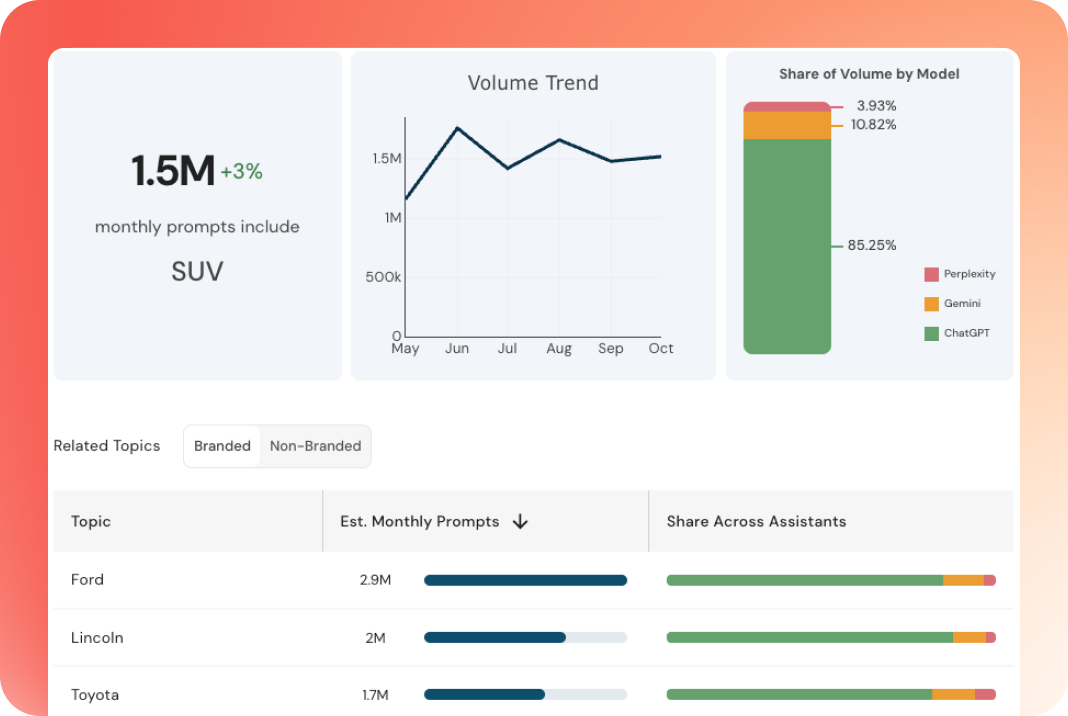
Map the hundreds of high-intent prompts your customers actually type, then engineer presence prompt-by-prompt.
Trust signals
Reviews, ratings, expert bylines, transparent pricing. AI assistants weigh trust heavily before recommending.
Measurement loop
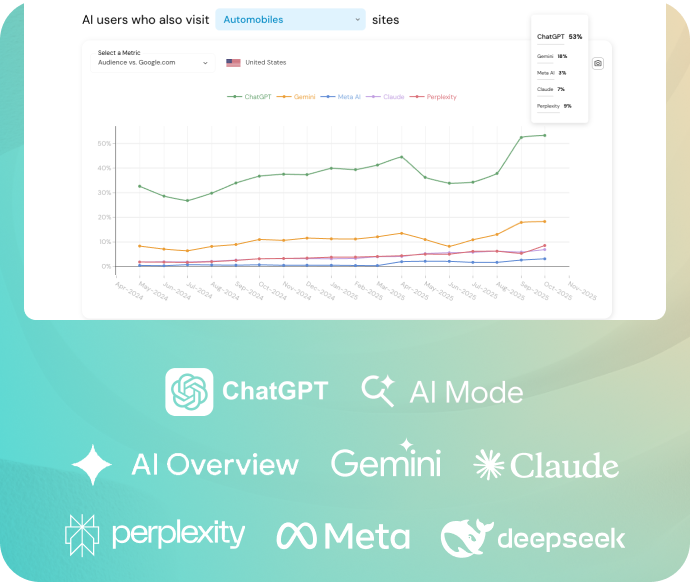
Track visibility, sentiment and competitor share-of-voice across ChatGPT, Claude, Perplexity, Gemini — weekly, not quarterly.
05 — Visibility
Visibility is a measurable surface — not a feeling.
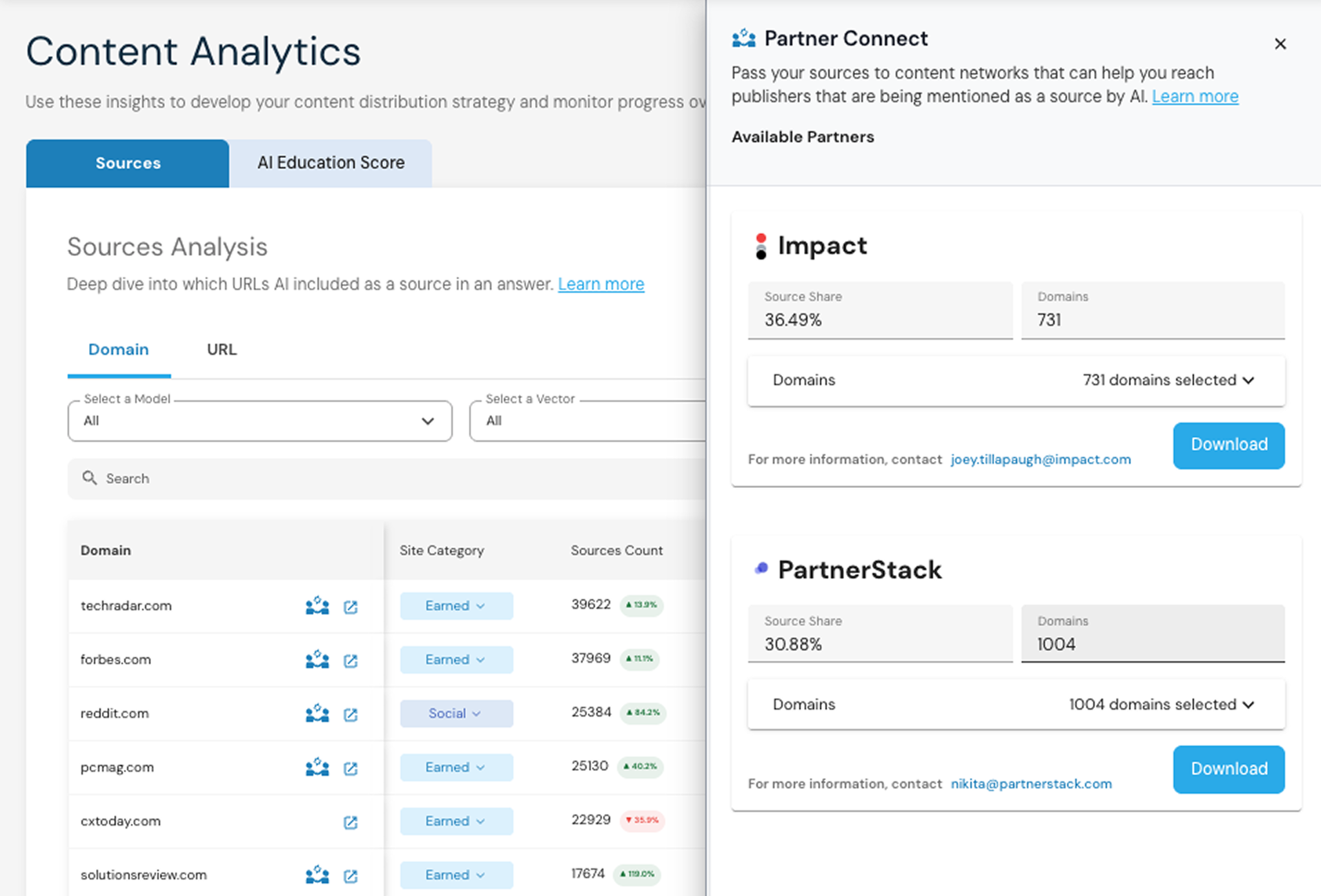
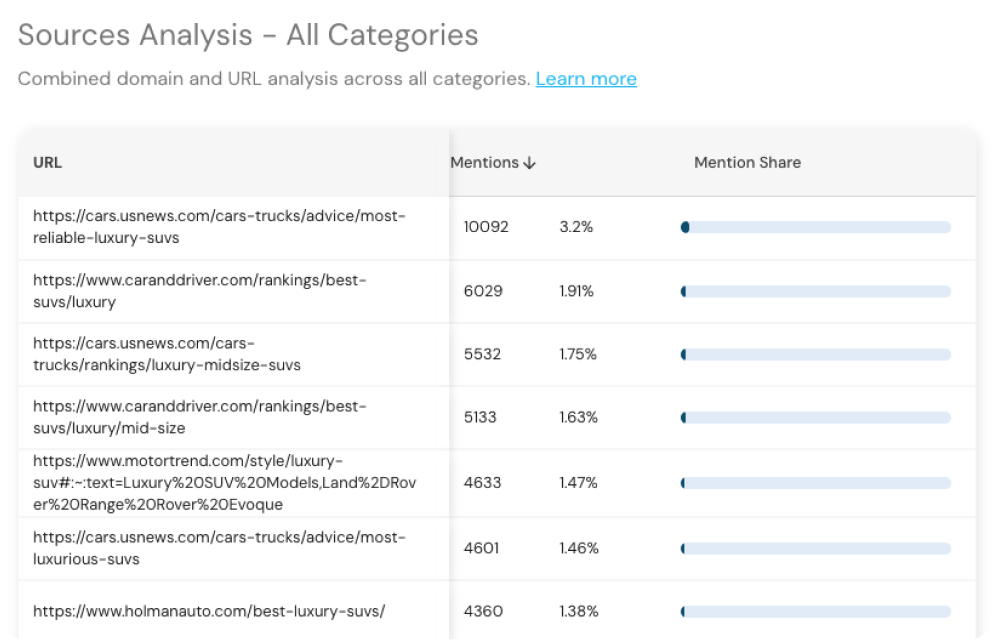
webem.io tracks prompt-by-prompt who gets named, who gets cited, and what the assistant says about you. You can finally answer "are we winning?" with a number.
- Brand mention rate across ~300 buyer prompts
- Share-of-voice versus your top 5 competitors
- Sentiment trend over the last 90 days
- The 50 sources AI assistants cite most about you
06 — Action
Your first 30 days of GEO.
A short, opinionated checklist. Do these in order. You'll see movement inside one month.
- 1Audit your brand entity on Wikipedia, Wikidata and Google Knowledge Graph
- 2Map 200+ prompts your buyers actually ask AI assistants
- 3Benchmark current visibility across 4–6 major AI engines
- 4Identify the 20 sources LLMs cite most in your category
- 5Publish 1 cornerstone, source-worthy asset per month
- 6Pitch reviewers, podcasts and community moderators monthly
- 7Track sentiment and share-of-voice on a weekly cadence
See how your brand shows up in AI search.
Run a no-credit-card audit across ChatGPT, Claude, Perplexity and Gemini in under five minutes.
Start the free audit